Choosing the right lumens for your dining room chandelier can significantly affect the ambiance of your space. Many homeowners ask, "How many lumens do I need for a dining room chandelier?" This question is vital for achieving the perfect lighting balance. Too few lumens may leave the room dim and uninviting, while too many can create a harsh glare.
Typically, a comfortable lighting range for a dining area is between 200 to 400 lumens per square meter. However, personal preference plays a crucial role. Some may prefer a cozier glow, while others seek a brighter, more vibrant atmosphere. Consider the size of your chandelier as well. A larger fixture may require more lumens to provide adequate light throughout the room.
While these guidelines are helpful, they shouldn't be rigid. Every dining room is unique, with different colors, decor, and natural light sources. Reflect on how you use your space. Do you host large gatherings or intimate dinners? The answers will influence your lighting decisions, leading you to find the sweet spot in lumens for your chandelier.
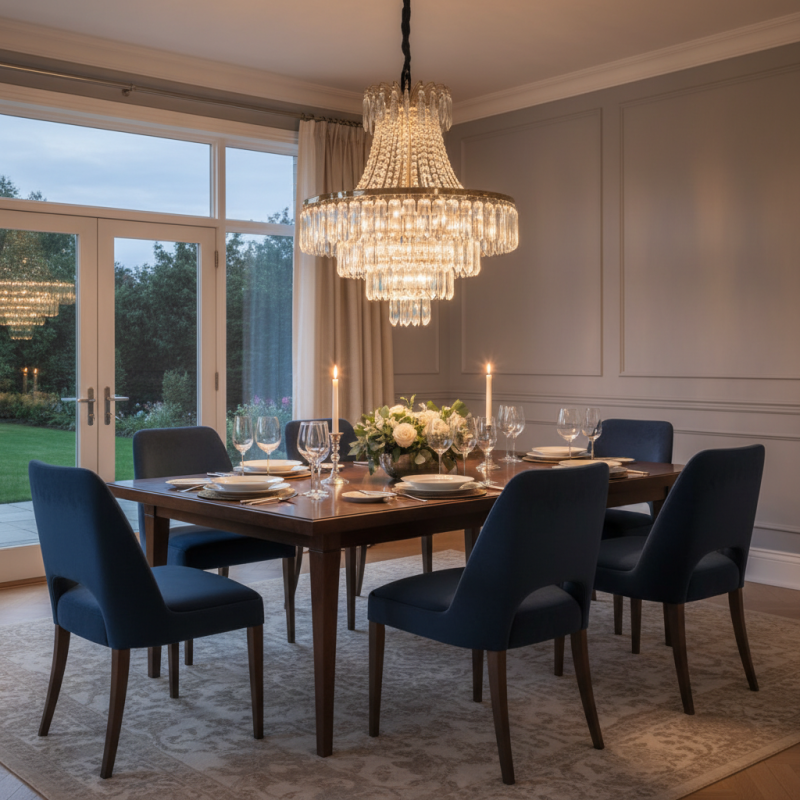
Understanding lumens is vital for selecting the right lighting for your dining room chandelier. Lumens measure the total amount of visible light emitted by a source. More lumens equal brighter light, but it’s not just about brightness. The type and quality of light also matter greatly in a dining setting.
For example, a standard dining room typically requires around 300-600 lumens per light fixture. A chandelier, seen as a focal point, should provide enough light for meals and conversation without being overpowering. Industry reports, such as those from the Illuminating Engineering Society, recommend considering the room size and wall colors, as these factors influence how light reflects and appears.
Additionally, dimmable chandeliers can provide versatility. However, over-estimating the required lumens can create an overly harsh atmosphere. Many experts suggest testing different luminance options before settling on a final choice. Proper lighting can transform your dining experience, making attention to lumens a crucial consideration.
When determining how many lumens are necessary for a dining room chandelier, several factors come into play. The size of the dining room significantly affects the lumens required. A larger room will naturally need more light to achieve a cozy atmosphere. Consider measuring your space. For a medium-sized dining room, typically ranging from 200 to 300 square feet, you'll generally want around 300-400 lumens per square meter. This calculation can help establish a baseline.
The purpose of the dining room can also dictate lighting needs. If you often host formal dinners, brighter light levels may be desired. Alternatively, for casual family meals, softer, warmer tones may work better. The color of your walls and furnishings plays a role too. Darker surfaces absorb more light, requiring a higher lumen count to illuminate the room effectively.
Lastly, personal preference matters. Some may prefer a brightly lit dining area, while others might lean towards dimmer, more intimate lighting. It's important to experiment with different settings and find what feels right for you. The journey to perfect dining room lighting might be imperfect, and that's part of the process. Understanding these factors ensures you make an informed decision for your space.
When choosing lumens for your dining room chandelier, consider the size of your space. Generally, a small dining area (around 10x10 feet) needs about 1,000 lumens. For a medium-sized room (10x12 feet), aim for approximately 1,500 lumens. Larger spaces (12x14 feet or bigger) may require around 2,000 to 3,000 lumens. These numbers can guide you but always reflect your personal comfort.
Tips: Assess your chandelier. Its design and brightness can alter the general lumens needed. If your chandelier has a lot of decorative elements, it may scatter light. This means you might need a bit more brightness.
The room's color also plays a role. Light walls reflect lumens better than dark ones. A dark-painted dining room might seem dimmer, even with a good lumen count. Adjust your choices accordingly, and don't hesitate to test different setups. It's all about finding the right ambiance for your dining space.
| Chandelier Size | Recommended Lumens | Room Size (sq ft) |
|---|---|---|
| Small (up to 20 inches) | 300-600 lumens | 50 - 100 |
| Medium (20-36 inches) | 600-1000 lumens | 100 - 200 |
| Large (36+ inches) | 1000-3000 lumens | 200+ |
When selecting bulbs for your dining room chandelier, it’s important to consider the desired lumens output. Lumens measure the brightness of light. A typical dining room might require between 200 to 400 lumens per square meter. This means you need to calculate your space accurately to achieve the right ambiance.
Choosing the right bulbs is key. LED bulbs are popular for their energy efficiency and longevity. They produce bright light while consuming less power. Make sure to check the lumens rating on the packaging. Some bulbs may appear attractive but may fall short in brightness. It’s frustrating when the light isn’t quite right for the space. Consider a combination of warm and cool bulbs too. This can create a balanced warmth that enhances both the meal and the setting.
Look at the dimming options as well. A dimmable chandelier can add versatility to your dining space, allowing you to adjust the ambiance. However, not all bulbs are compatible with dimmers. Testing bulb combinations can lead to unexpected results. Sometimes, it requires a trial-and-error approach to find the perfect fit. Building a cozy atmosphere is about finding that sweet spot in lighting.
Achieving balanced lighting in a dining room is essential for creating the right ambiance. According to the Illuminating Engineering Society (IES), a dining area should ideally have about 100-200 lumens per square meter. This ensures enough light for dining activities while also promoting warmth and comfort.
One effective way to balance lighting is to layer it. Combine ambient, task, and accent lighting. Use your chandelier as the primary light source, and complement it with wall sconces or table lamps. This combination helps reduce harsh shadows. Consider dimmer switches to adjust lighting levels easily. Soft lighting creates an inviting atmosphere, especially during meals.
Pay attention to the chandelier’s height. It should hang approximately 30-36 inches above the table to avoid obstructing views. If your dining room has large windows, utilize natural light. During the day, this can reduce the need for artificial lighting. When evening comes, adjust your chandelier’s brightness to create a cozy setting.
: Lumens measure the total amount of visible light emitted by a source.
Typically, 300-600 lumens per fixture is recommended for a standard dining room.
The type of light affects ambiance, not just brightness. It can impact the dining experience.
Over-estimating lumens can create a harsh environment. Test different options to find balance.
A chandelier should hang 30-36 inches above the table to maintain an unobstructed view.
Layer ambient, task, and accent lighting for a well-lit and inviting atmosphere.
Yes, use natural light during the day to reduce artificial lighting needs.
Dimmable chandeliers provide versatility and help create a cozy atmosphere for meals.
When considering "How many lumens do I need for a dining room chandelier?", it is crucial to understand the basics of lumens as a light measurement. Lumens indicate the brightness of light, and several factors influence how many you will need, such as the size of the dining room, wall colors, and the overall ambiance you want to create.
Recommended lumens vary by the size of the chandelier, with larger spaces typically requiring more light to ensure a well-lit environment. Selecting the right bulbs is also important, as different types will produce varying lumen outputs. To achieve balanced lighting in dining rooms, consider layering your light sources and incorporating dimmers when possible, so you can adjust the brightness according to different settings and occasions.

Glow Light